



A place for connection, learning, and community
The community center in Kirchberg brings together the school, local organizations, and the community to create a vibrant gathering place. Flexible space designs, a sustainable hybrid wood construction, and a forward-looking energy concept combine to create a multifunctional building of high architectural and ecological quality.
Project data
A place for connection, learning, and community
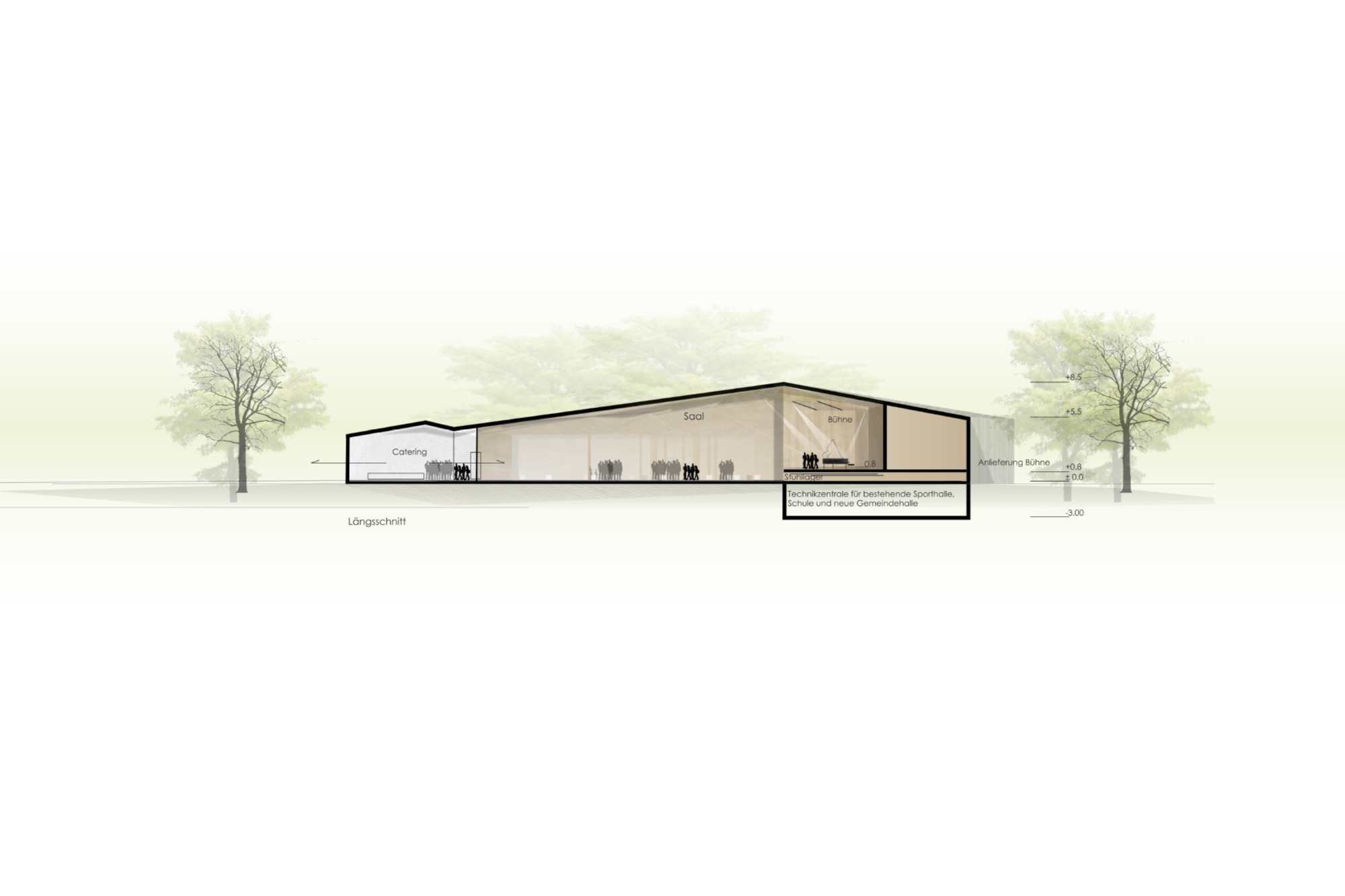
The new community center will serve as a versatile gathering place for the school, local clubs, and the Kirchberg community. The design combines an event hall, cafeteria, and club rooms into a flexible building that enriches everyday life as well as cultural and social events. Through its open architecture, clean design language, and close integration with the school campus, the community center creates a focal point that fosters a sense of identity for the neighborhood. The generous glazing opens the foyer and hall onto the forecourt, allowing for seamless transitions between indoor and outdoor spaces. The spatial layout supports a wide variety of uses—from daily cafeteria operations and club activities to large-scale events with flexible seating and usage configurations.
Architecture & Use
The new community hall blends seamlessly into the existing school campus and creates an inviting forecourt that serves as a communal arrival and event area. The striking structure, with its clearly defined roofline, establishes its own distinct identity while also acting as a link between the school, the sports hall, and the open space.
At the heart of the facility is the versatile event hall, which can be divided into spaces of various sizes and, together with the foyer and cafeteria, accommodates a wide range of event formats. Hall areas that can be used simultaneously, combinable room layouts, and various seating arrangements ensure high functionality for educational, cultural, and public uses.


Construction & materiality
The design is based on a sustainable hybrid construction method. Load-bearing walls and columns made of reinforced concrete transfer the load where high requirements for stability and bracing are necessary. The wide-span roof areas are constructed using a cost-effective timber truss system and flat slabs. Non-load-bearing interior walls and ceiling elements are constructed as lightweight timber structures, ensuring resource-efficient use of materials and creating a warm atmosphere inside the building.
The building envelope features a ventilated facade made of vertically arranged, surface-treated wooden siding. Generously sized triple-pane windows ensure bright interior spaces and a strong connection to the outdoors. Exterior, motorized sunshades, as well as interior blackout and glare-reduction systems, ensure a high level of thermal and visual comfort.
Suspended ceilings house the building's technical systems and, together with sound-absorbing wall coverings, optimize room acoustics—an essential requirement for the multifunctional use of the cafeteria, auditorium, and club rooms.


Sustainability & Energy Plan
The energy concept is based on consistently sustainable and forward-looking planning. A highly insulated building envelope reduces energy consumption, while photovoltaic systems on the rooftops make a significant contribution to renewable electricity generation. A ventilation system with heat recovery ensures high energy efficiency and a comfortable indoor climate.
Power is supplied via a shared energy center designed as a neighborhood-wide solution. In coordination with the specialist planners, the community center, sports hall, and school will all be powered by renewable energy. This creates a cost-effective, resource-efficient, and long-term sustainable infrastructure for the entire campus.
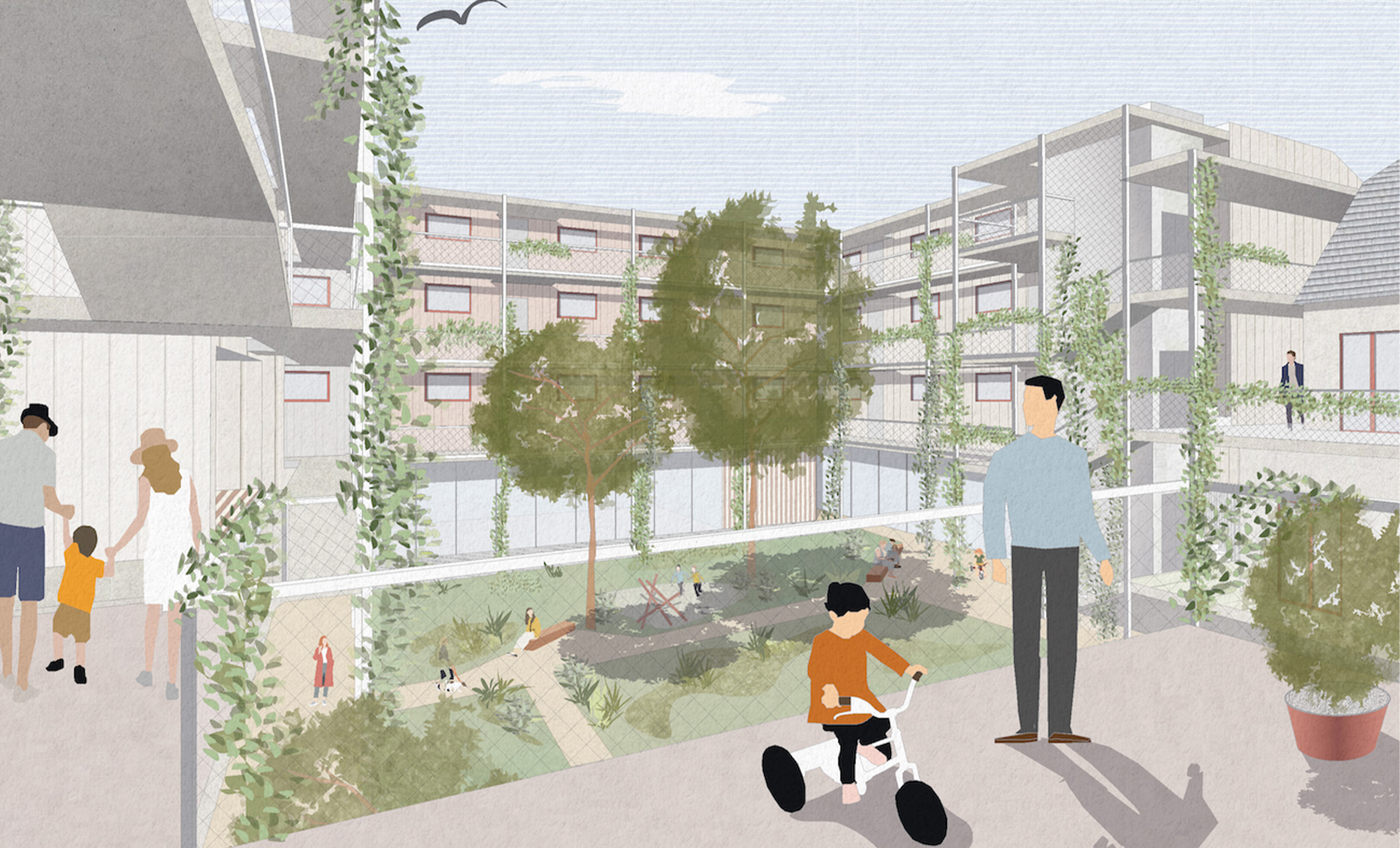
Kempf area


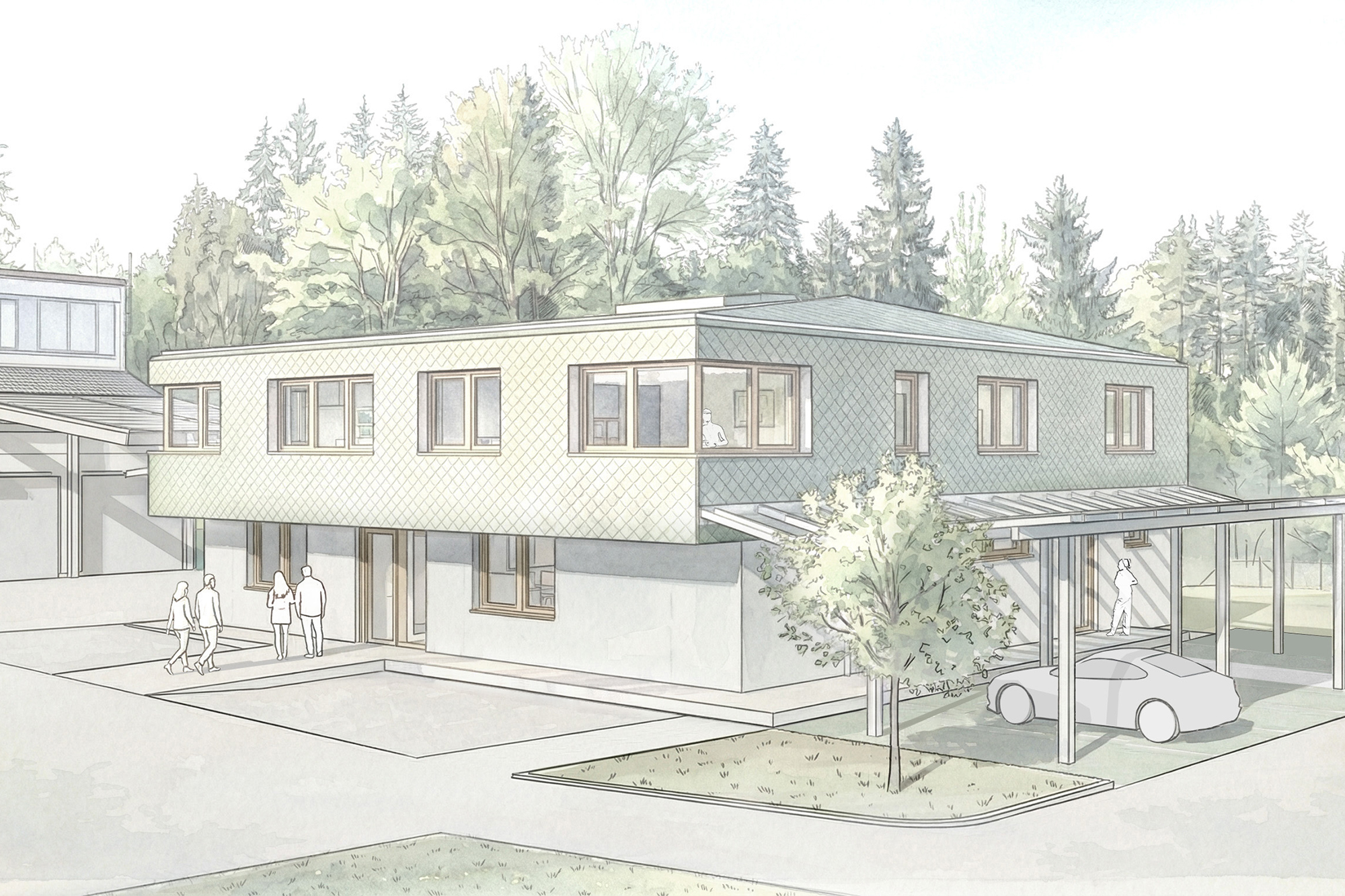
Entrance area HZ Campus

Competition office Gaus Architekten
